
Regenerative Cell Anti-aging
Time cannot be reversed,
but the grain of the cells can be woken again
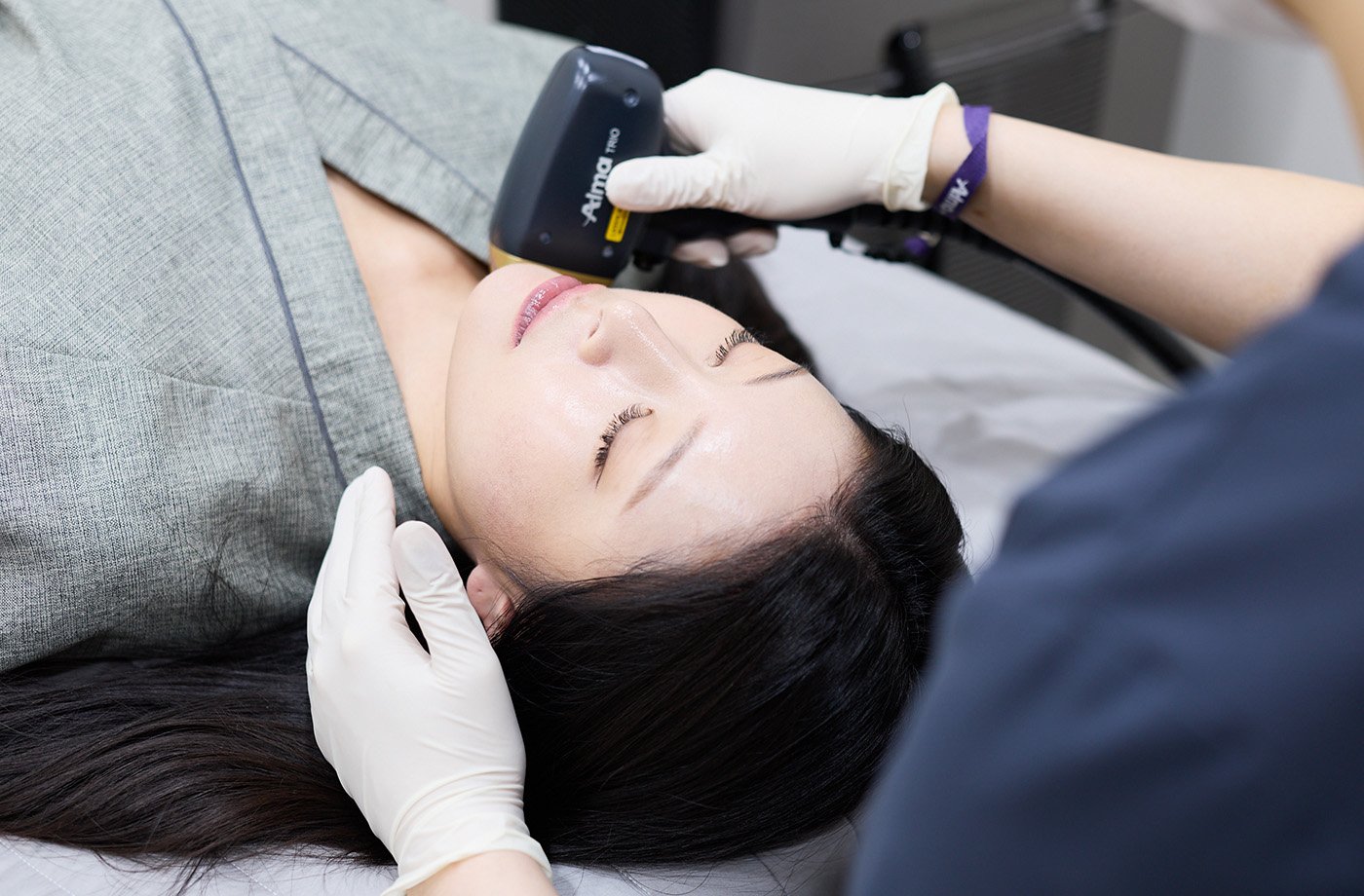
Time cannot be reversed,
but the grain of the cells can be woken again
Beyond smoothing the surface,
looking again at the grain of the cells
When surface care reaches its limit, the focus turns deeper — to the cells.
Delivery
It delivers growth factors such as EGF and FGF and anti-inflammatory cytokines secreted by regenerative cells to the skin.
Regeneration
It acts as a signal that stimulates fibroblasts and supports collagen synthesis, focusing on reawakening a slowed renewal cycle.
Comprehensive
Because no cells are transplanted, the risk of immune rejection is low, allowing a comprehensive approach that addresses texture, firmness and vitality together.
Not the regenerative cells themselves, but the signals they leave behind
The key to this procedure is that it uses not the regenerative cells themselves but the 'substances' they secrete. Growth factors such as EGF, FGF, VEGF and TGF-β, together with anti-inflammatory cytokines, act as signals that stimulate fibroblasts and support collagen synthesis.
Because it does not transplant cells, the risk of immune rejection is low and the treatment is relatively undemanding.
The signals regenerative cells send —
a look at how it works
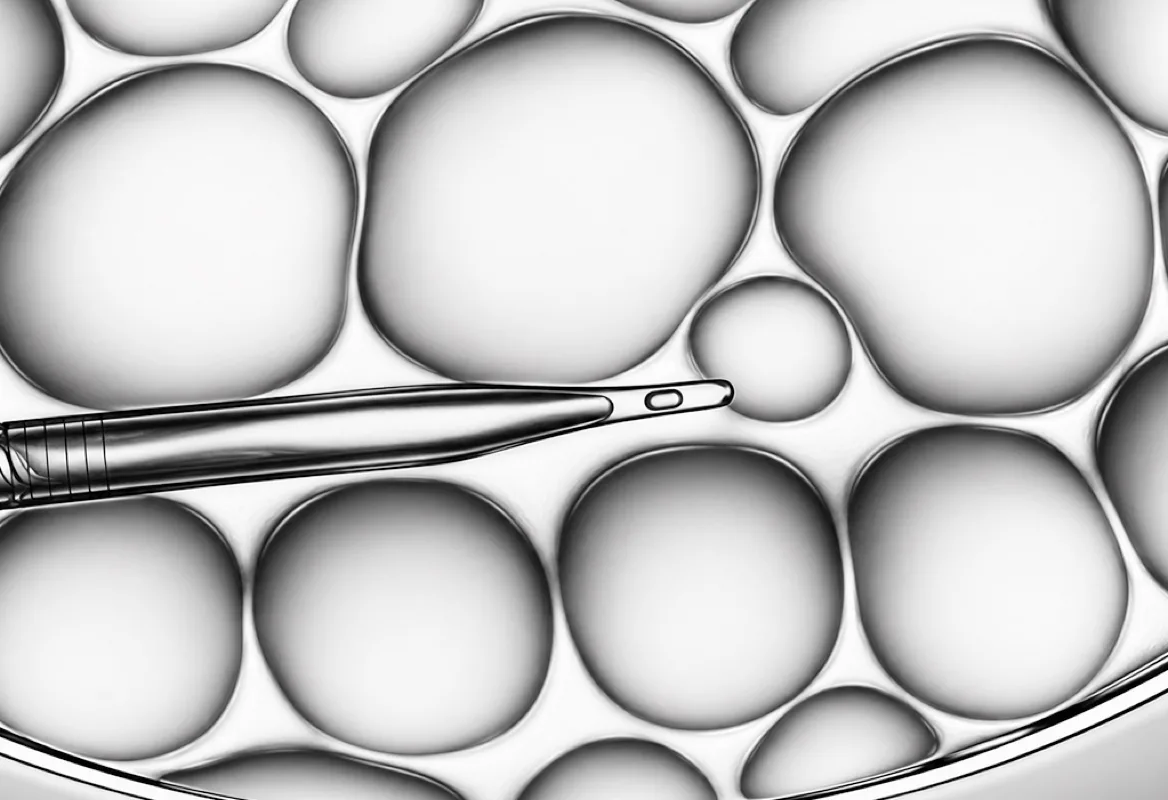
Signals that reach the cells: how paracrine action works
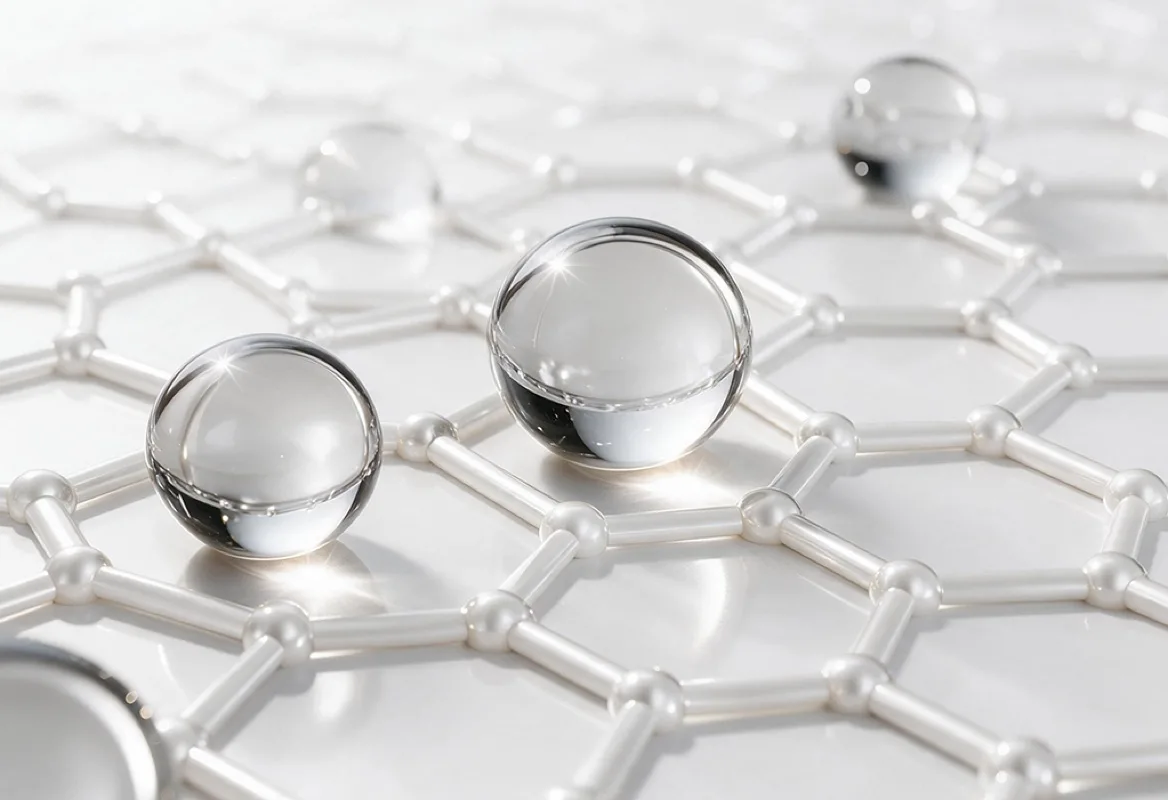
Collagen and firmness, recovery from within
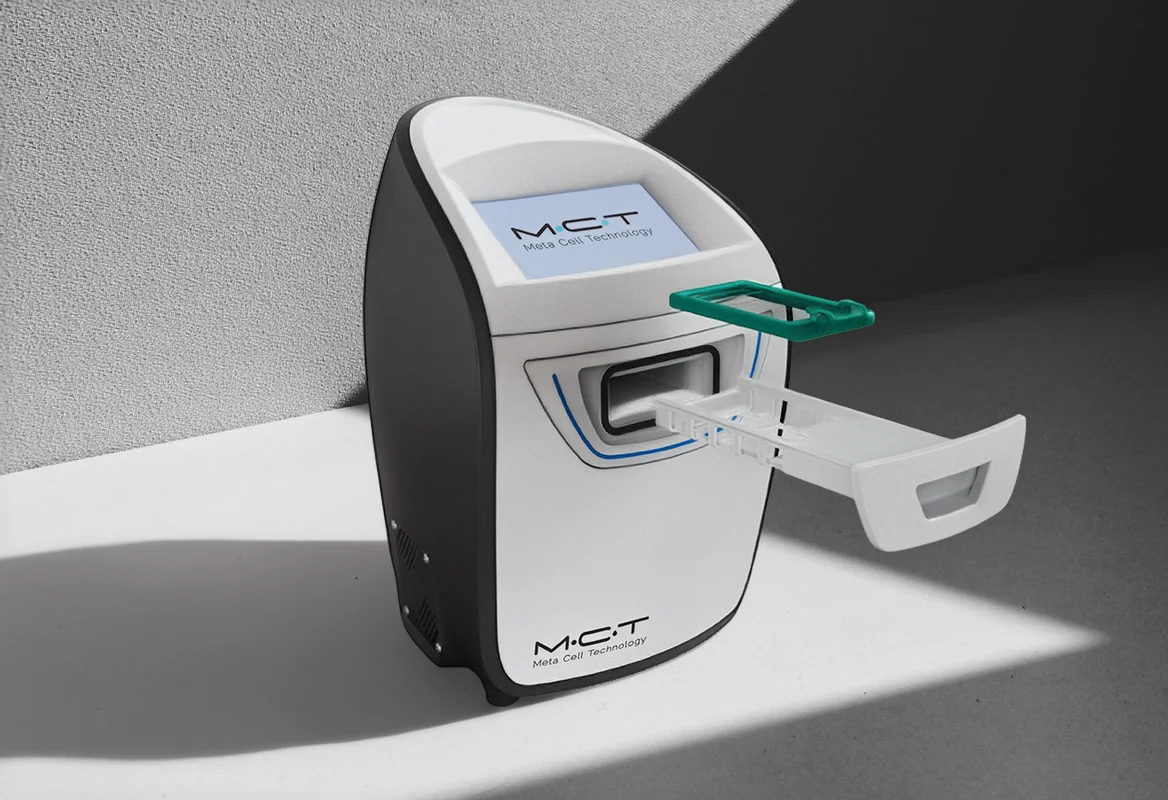
MetaCell — one more step that lifts the regenerative effect
The Butler principle
With procedures derived from regenerative cells, the origin of the material and the purification process are above all what trust rests on. Products meeting set certification and control standards are used in measured amounts, and the procedure is performed by the medical team after the skin's condition and any contraindications have been fully checked. Single-use sterile instruments and strict hygiene are maintained, and honest guidance within verified limits is preferred to overstated promises.
Who it suits
Those who feel their skin has lost firmness and radiance
Those concerned with both fine lines and dull skin tone
Those who felt change was slow with their existing skincare
Those who want faster regenerative care after lasers or procedures
Those looking for gentle, regeneration-focused anti-aging
Those interested in fundamental care at the cellular level
Procedure & device information
About the procedure
Step 1. Consultation and skin assessment
Step 2. Contraindication check and care planning
Step 3. Cleansing and numbing cream application
Step 4. Local or blood-derived regenerative cell injection
Step 5. Soothing care and moisturizing finish
Step 6. Aftercare guidance and booking the next visit
Aftercare
- Please avoid washing your face and wearing makeup for 12 hours after the procedure.
- Please avoid saunas, jjimjilbang and swimming pools for 3 days.
- Please stop using retinol and other irritants for 3 days.
- Mild redness and injection marks are normal and fade on their own.
- If unusual reactions persist, please visit the clinic for a consultation.
FAQ
When do results appear and how long do they last?
Texture improvement is usually felt from about 2 weeks, and change tends to become clearer with three or more sessions, though this varies. Because duration also varies, regular maintenance is recommended.
Is it suitable for everyone?
The procedure may be restricted during pregnancy or breastfeeding, with an active infection, or during cancer treatment. Medical history and contraindications are always checked at consultation.
Is the pain or downtime significant?
It is performed after numbing cream. With local injections there may be redness and raised marks for 1–3 days and bruising for 1–2 weeks, but these usually resolve on their own.